Banana Paper Manufacturing Unit
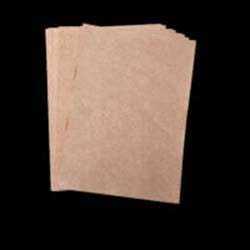
This project profile outlines the establishment of a banana paper manufacturing unit utilizing banana plant stems and fibers to produce high-density, eco-friendly paper. The plant processes raw banana stems through cutting, pulping, pressing, and screening to create sustainable paper sheets and journals suitable for writing, sketching, and packaging.
Project cost & finance
Cost of Project
figures in ₹ Lakhs
| Plant & Machinery | 12 |
| Furniture & Fixtures | 0.75 |
| Other Misc. Assets | 0.5 |
| Working Capital | 3.22 |
| Total | 16.47 |
|---|
Means of Finance
figures in ₹ Lakhs
| Own Contribution | 1.65 |
| Term Loan | 11.93 |
| Working Capital Loan | 2.9 |
| Total | 16.47 |
|---|
Raw materials & machinery
Machinery & equipment5
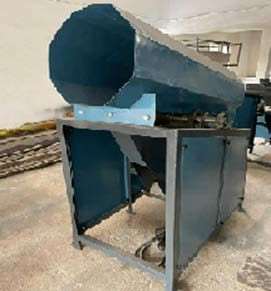
- Stem CutterBuy on Amazon ↗
Machine used to cut large portions of banana stem into small parts
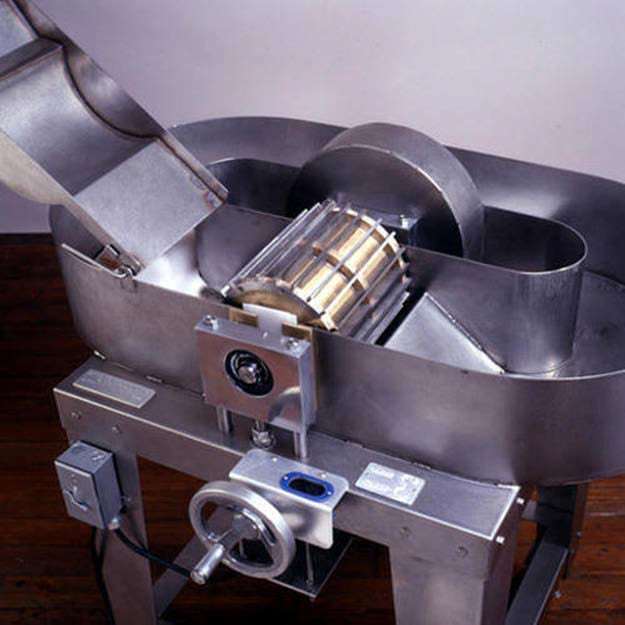
- Pulp BeaterBuy on Amazon ↗
Machine used to convert solid input product into semi-liquid and remove fibers
- Hydraulic PressBuy on Amazon ↗
Equipment used to remove moisture from pulp during processing
- Screen plateBuy on Amazon ↗
Plate used to solidify semi-liquid product into a thin sheet after moisture removal
- Other EquipmentBuy on Amazon ↗
Additional workshop tools and equipment
Raw materials2
- Stem part of banana treeBuy on Amazon ↗
Raw banana plant stem collected for fiber extraction
- Oily solventBuy on Amazon ↗
Processing solvent used in manufacturing
Manufacturing process
- Collection of banana stems before cutting operation
- Cutting down the banana stem into small parts for semi-liquid processing
- Pulping of stem to extract and separate fibers
- Beating and pressing the residue to remove water content
- Screening the semi-liquid product over plates for solidification
- Removal of residual moisture by vertical positioning
- Packaging of finished banana paper according to customer standards
Market
Banana paper is eco-friendly, helps prevent river and forest pollution, and possesses lower density, higher stiffness, disposability, renewability, and tensile strength compared to traditional paper. It is screen-print and inkjet friendly, ranging from 30 to 380 GSM, and used in lights, artwork, sketching, journals, and notebooks.
From the project report