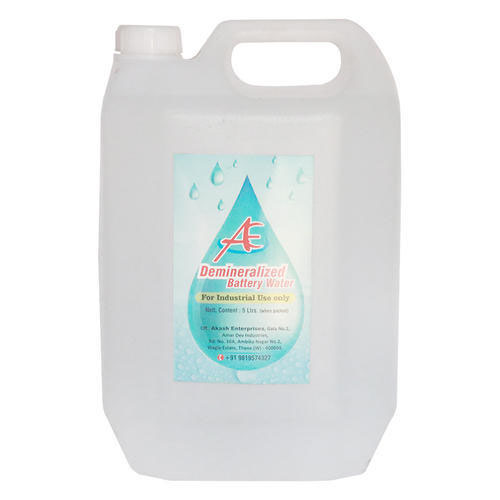
Battery Water (DM Water)
This project profile outlines the setup of a battery water (demineralized water) manufacturing unit with an annual capacity of 6 lakh litres. The unit utilizes an ion-exchange process with resin beds to produce high-purity, mineral-free water suitable for vehicle batteries and small laboratories.
Project cost & finance
Cost of Project
figures in ₹ Lakhs
| Building & Civil Work | 3 |
| Plant & Machinery | 3.85 |
| Furniture & Fixtures | 0.61 |
| Other Misc. Assets | 0.28 |
| Working Capital | 5.76 |
| Total | 13.5 |
|---|
Means of Finance
figures in ₹ Lakhs
| Own Contribution | 1.35 |
| Term Loan | 6.97 |
| Working Capital Loan | 5.18 |
| Total | 13.5 |
|---|
Raw materials & machinery
Machinery & equipment6
- Resin based Demineralised plantBuy on Amazon ↗
250 ltr/hour capacity plant with accessories
- Plastic drumsBuy on Amazon ↗
Drums for storage of water
- Bore wellBuy on Amazon ↗
Source water extraction setup
- Hot air BlowerBuy on Amazon ↗
For shrink packaging of water bottles
- Quality control EquipmentsBuy on Amazon ↗
pH meter, hardness testing kit
- Packaging filling MachineBuy on Amazon ↗
For filling and sealing finished product
Raw materials4
- Ground waterBuy on Amazon ↗
Raw feed water from bore well or municipal supply
- ResinBuy on Amazon ↗
Ion exchange resins for water demineralization
- Plastic cansBuy on Amazon ↗
Containers for packaging battery water in 5L and 2.5L sizes
- LabelBuy on Amazon ↗
Product branding and specification labels
Manufacturing process
- Extract raw water from bore well into storage.
- Pass raw water through the first ion-exchange resin bed to exchange cations with hydrogen ions.
- Pass water through the second resin bed to exchange anions with hydroxyl ions.
- Perform continuous quality checks using testing kits and pH meters.
- Fill purified demineralized water into plastic cans and seal them using a shrink packaging machine.
Market
The unit can cover about 30 km radius in semi-urban areas with demand from four-wheeler vehicles and small laboratories.
From the project report