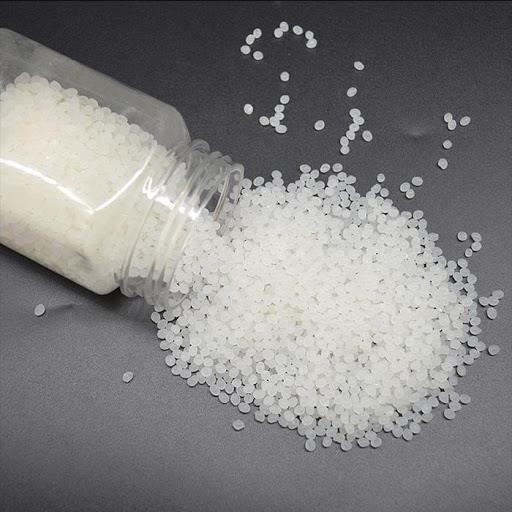
Biodegradable Plastic Pellets (PLA Based)
This project profile outlines the manufacturing of biodegradable plastic pellets (PLA based) derived from crops and crop residues, serving as an eco-friendly alternative to traditional single-use plastics. The facility has an annual production capacity of 1,000 tonnes of pellets used for packaging, agricultural films, and molded products.
Project cost & finance
Cost of Project
figures in ₹ Lakhs
| Plant & Machinery | 124.61 |
| Furniture & Fixtures | 2 |
| Other Misc. Assets | 4 |
| Working Capital | 40 |
| Total | 170.61 |
|---|
Means of Finance
figures in ₹ Lakhs
| Own Contribution | 42.65 |
| Term Loan | 97.96 |
| Working Capital Loan | 30 |
| Total | 170.61 |
|---|
Raw materials & machinery
Machinery & equipment13
- Milling machineBuy on Amazon ↗
For crushing and grinding raw agricultural produce
- Pulping machineBuy on Amazon ↗
For wet material processing
- Mixing VesselsBuy on Amazon ↗
Stainless steel vessels for acid hydrolysis and solution prep
- Fermentation vesselBuy on Amazon ↗
PLC controlled vessel for converting glucose to lactic acid
- Jacketed reaction vesselBuy on Amazon ↗
For converting lactic acid into lactate
- Vacuum CrystallizerBuy on Amazon ↗
For purification and crystallization processes
- Polymerization reactorBuy on Amazon ↗
For converting lactic acid to oligo-lactic acid and lactide
- SMS (static mixer reactor)Buy on Amazon ↗
For catalyst-free polymerization
- Vacuum Degassing systemBuy on Amazon ↗
To remove volatile gaseous matter from the melt
- Pelletizer machineBuy on Amazon ↗
Underwater pelletizer to cut and form plastic pellets
- Pellets packaging machineBuy on Amazon ↗
PLC controlled automatic weighing and packaging machine
- Heat exchangerBuy on Amazon ↗
For condensing processes during crystallization
- Centrifugal pumpsBuy on Amazon ↗
For transferring liquids between reactor vessels
Raw materials4
- Crops and Crop residuesBuy on Amazon ↗
First and second-generation starch sources like corn, wheat, rice, and sugarcane
- PlasticizerBuy on Amazon ↗
Glycerol, Ethylene Glycol, Polyglycerol, etc.
- Flexibility agentBuy on Amazon ↗
Urea, Citric Acid, Polyvinyl Alcohol
- BinderBuy on Amazon ↗
Stearic acid, glycerol monostearate, montmorillonite
Manufacturing process
- Procurement, cleaning, and drying of agricultural raw materials followed by crushing or grinding in a hammer or pulping mill.
- Conversion of starch and sugar from the crops into simple glucose via enzymatic or acidic hydrolysis.
- Fermentation of glucose to lactic acid inside temperature and pH controlled aerobic fermentation tanks.
- Purification of the resulting lactic acid through esterification, distillation, and subsequent hydrolysis.
- Polycondensation of purified lactic acid into oligo-lactic acid and then lactide through thermal cycling reactions.
- Conversion of lactide to Polylactic Acid (PLA) in a series of loop and plug-flow reactors.
- Degassing of the PLA melt to remove volatile components, followed by mixing with plasticizers, binders, and additives in a static mixer.
- Pelletizing the PLA melt using an underwater pelletizer, cooling, quality testing, and packing into bags for storage.
Market
The global biodegradable plastics market is expanding rapidly as governments prohibit single-use plastics and consumer awareness regarding environmental sustainability rises. Key end-use sectors include packaging, agriculture (mulch films), and biomedical devices.
From the project report