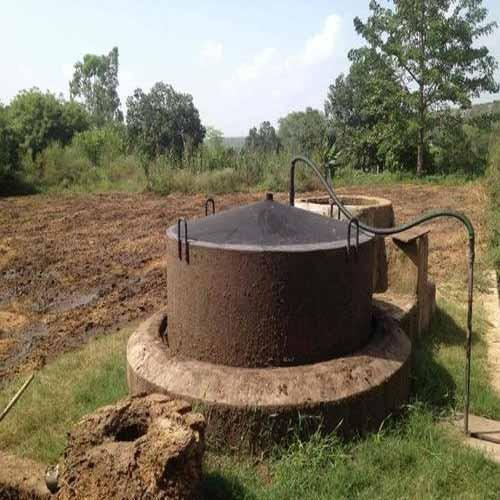
Biogas Unit
This project profile outlines the setup of a commercial biogas production plant utilizing organic wastes like crop, animal, municipal, agro-industry, and forest wastes. The facility generates biogas for energy/cooking applications along with nutrient-rich organic slurry fertilizer as a valuable by-product.
Project cost & finance
Cost of Project
figures in ₹ Lakhs
| Plant & Machinery | 17 |
| Furniture & Fixtures | 0.5 |
| Working Capital | 2.78 |
| Total | 20.28 |
|---|
Means of Finance
figures in ₹ Lakhs
| Own Contribution | 2.03 |
| Term Loan | 15.75 |
| Working Capital Loan | 2.5 |
| Total | 20.28 |
|---|
Raw materials & machinery
Machinery & equipment5
- Biogas PlantBuy on Amazon ↗
Anaerobic digester setup
- FRP TankBuy on Amazon ↗
5 m x 5 m tank
- Slurry Storage TankBuy on Amazon ↗
5 m x 5 m storage tank
- Sledge PumpBuy on Amazon ↗
Pump for handling waste slurry
- Crusher MachineBuy on Amazon ↗
5 HP food and waste crusher
Raw materials5
- Crop wasteBuy on Amazon ↗
Agricultural organic residues
- Animal wasteBuy on Amazon ↗
Cow dung and other livestock waste
- Municipal wasteBuy on Amazon ↗
Organic municipal solid waste
- Agro-Industry WasteBuy on Amazon ↗
Food and organic processing waste
- Forest wasteBuy on Amazon ↗
Biomass from forest residues
Manufacturing process
- Procure food waste, municipal waste, and cow dung from various suppliers and store them appropriately.
- Crush solid food waste into suitable sizes using the crusher machine.
- Mix crushed waste and cow dung with water in the slurry tank equipped with an agitator to form a uniform slurry.
- Pump the prepared slurry into the anaerobic digester of the biogas plant where microbes digest the organic matter without oxygen to produce biogas.
- Extract the generated biogas from the floating cover dome via flow control valves into compressors and storage receivers.
- Pump out the spent slurry/sludge into a sludge tank to be sold or used as organic fertilizer.
- Fill the purified/compressed biogas into cylinders or supply it through pipelines to customers.
Market
Biogas serves as an eco-friendly renewable fuel alternative to firewood, LPG, diesel, and electricity. It aids in decentralized waste management and provides both gaseous fuel and organic fertilizer, yielding steady demand across rural and semi-urban markets.
From the project report