Ceramic Sanitaryware Washbasin Manufacturing Unit
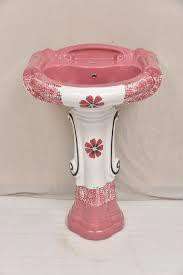
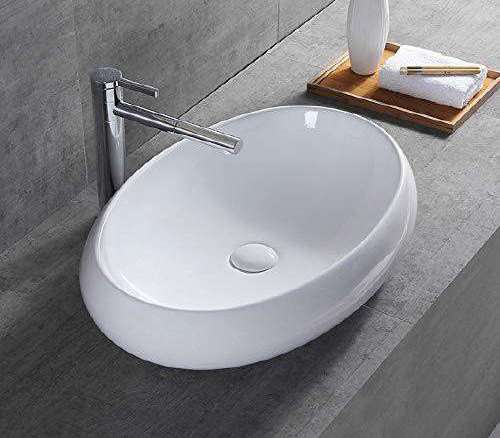
This project profile covers the establishment of a ceramic sanitaryware washbasin manufacturing unit. The facility produces durable, weather-resistant, and corrosion-proof sanitary fixtures such as washbasins, closets, and sinks using slip casting and shuttle kiln firing processes.
Project cost & finance
Cost of Project
figures in ₹ Lakhs
| Plant & Machinery | 9.92 |
| Furniture & Fixtures | 0 |
| Other Misc. Assets | 1.5 |
| Working Capital | 4.32 |
| Total | 15.74 |
|---|
Means of Finance
figures in ₹ Lakhs
| Own Contribution | 1.57 |
| Term Loan | 10.28 |
| Working Capital Loan | 3.89 |
| Total | 15.74 |
|---|
Raw materials & machinery
Machinery & equipment7
- Ball mill with porcelain liningBuy on Amazon ↗
Grinding equipment for body and glaze preparation
- AgitatorBuy on Amazon ↗
For keeping slip uniform in suspension
- Slurry PumpBuy on Amazon ↗
For transferring liquid slip
- Magnetic SeparatorBuy on Amazon ↗
For removing iron impurities from slip
- Spray boothsBuy on Amazon ↗
Complete with air compressor and spray guns for glazing
- Shuttle kilnsBuy on Amazon ↗
Ceramic fiber lined, oil-fired kilns for firing sanitaryware
- Oil storage tank and pre heating systemBuy on Amazon ↗
Fuel storage and supply setup
Raw materials7
- China ClayBuy on Amazon ↗
Primary clay raw material for ceramic body
- Ball clayBuy on Amazon ↗
Plasticity providing clay
- Fire clayBuy on Amazon ↗
Refractory clay
- Feldspar powderBuy on Amazon ↗
Flux material for vitrification
- Plaster of ParisBuy on Amazon ↗
For making casting moulds
- Colors and chemicalsBuy on Amazon ↗
For glazing and body preparation
- Packaging materialBuy on Amazon ↗
For safe transit and storage of finished goods
Manufacturing process
- Mix raw materials like china clay, ball clay, quartz, and feldspar with water and grind thoroughly in a ball mill to form a uniform slip.
- Screen the slip, pass through a magnetic separator, and store in an agitating tank with appropriate flocculants.
- Cast the wares using plaster moulds and let the cast wares dry on open racks or benches.
- Test dried wares for cracks, perform finishing, and prepare glaze via ball milling, screening, and magnetic separation.
- Apply glaze on the finished dry body products using spray booths, then send for subsequent drying.
- Fire the glazed products in oil-fired shuttle kilns.
- Sort the fired products, inspect quality, and pack them for sale.
Market
Ceramic sanitary wares are widely used for sanitation purposes due to their weathering resistance, chemical erosion resistance, abrasion resistance, and ease of cleaning. Demand remains steady with no significant threat of replacement from alternative materials like steel or fiber.
From the project report