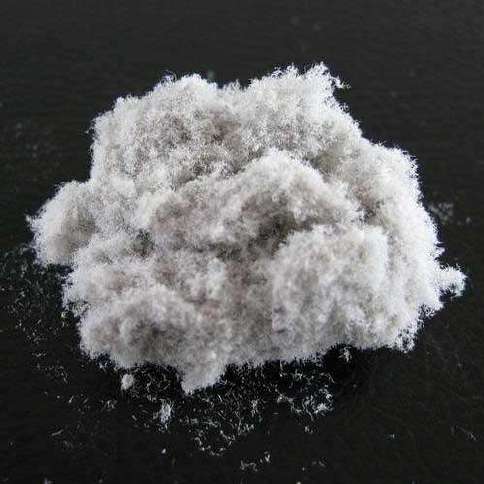
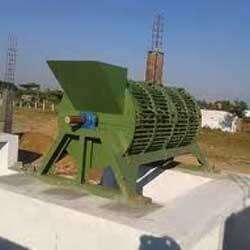
Cigarette Waste Cellulose Fibre Manufacturing Unit
This manufacturing unit collects and processes cigarette waste butts to extract cellulose acetate fibers, converting the remaining paper and tobacco into manure while turning the treated fibers into cushions, toys, and filling materials. The recycling process helps mitigate microplastic pollution and provides eco-friendly materials for industrial and consumer use.
Project cost & finance
Cost of Project
figures in ₹ Lakhs
| Plant & Machinery | 12.05 |
| Other Misc. Assets | 1.5 |
| Working Capital | 7.21 |
| Total | 20.76 |
|---|
Means of Finance
figures in ₹ Lakhs
| Own Contribution | 2.08 |
| Term Loan | 12.2 |
| Working Capital Loan | 6.49 |
| Total | 20.76 |
|---|
Raw materials & machinery
Machinery & equipment6
- Fiber Cleaning MachineBuy on Amazon ↗
Initial processing machine to remove wastes and obtain pure fibers
- Centrifugal DryerBuy on Amazon ↗
Removes excess water and liquids from processed workpieces
- Shredder MachineBuy on Amazon ↗
Industrial shredder for breaking down cellulose acetate articles
- Fiber Opening Carding MachineBuy on Amazon ↗
Machine used to open and soften treated fiber into loose shaggy material
- Weighing MachineBuy on Amazon ↗
Weighing equipment for materials
- ConveyorsBuy on Amazon ↗
Conveyor systems for material handling
Raw materials1
- Cigarette butts and biodegradable chemicalsBuy on Amazon ↗
Collected cigarette waste and treatment chemicals
Manufacturing process
- Raw Material collection: Collect cigarette waste from streets and offices and sort them.
- Segregation: Manually separate ash, tobacco, paper, and cellulose acetate filters using necessary safety gear.
- Shredding: Shred the separated cellulose acetate using an industrial shredder.
- Treating: Treat the shredded cellulose using a biodegradable chemical composition for 24-36 hours.
- Drying: Dry the cleaned and treated cellulose for further processing.
- Fibre Opening: Loosen and open the cellulose using a carding machine to enhance softness for cushions or toys.
- Packaging: Package the loosened sponge fiber for commercial usage.
Market
Cellulose fibers are utilized primarily in the textile sector, as chemical filters, and in bio-composites, polymer composites, and toy manufacturing. The industry deals with raw material price fluctuations and strict environmental regulations.
From the project report