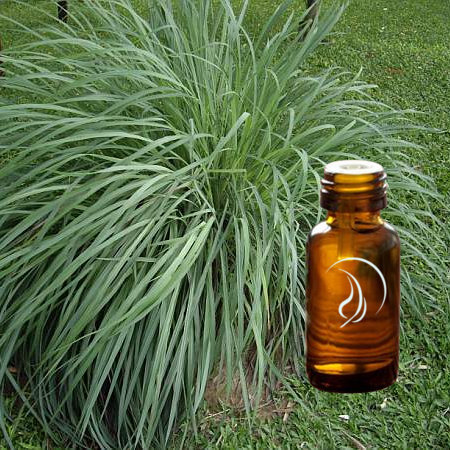
Citronella Oil Manufacturing Unit
This project report outlines the establishment of a Citronella Oil manufacturing unit using a distillation process. The facility processes Java citronella grass to produce pure citronella oil packaged in bottles, catering to perfume, cosmetic, and mosquito repellent industries.
Project cost & finance
Cost of Project
figures in ₹ Lakhs
| Building & Civil Work | 4 |
| Plant & Machinery | 10.6 |
| Furniture & Fixtures | 0.74 |
| Other Misc. Assets | 0.5 |
| Working Capital | 9.16 |
| Total | 25 |
|---|
Means of Finance
figures in ₹ Lakhs
| Own Contribution | 2.5 |
| Term Loan | 14.26 |
| Working Capital Loan | 8.25 |
| Total | 25 |
|---|
Raw materials & machinery
Machinery & equipment7
- Distillation plant with steam generatorBuy on Amazon ↗
1 Set
- Lid lifting gearBuy on Amazon ↗
1 No.
- Furnace and accessoriesBuy on Amazon ↗
1 Set
- SeparatorBuy on Amazon ↗
1 No.
- Centrifugal pumpBuy on Amazon ↗
2 Nos.
- ChimneyBuy on Amazon ↗
1 No.
- Water storage tankBuy on Amazon ↗
1 No.
Raw materials1
- Java Citrolenna GrassBuy on Amazon ↗
Primary consumable raw material for essential oil extraction
Manufacturing process
- Harvest and wither the Java citronella grass in the shade for 24 hours.
- Fill the distillation still with water and place a grid on top.
- Pack the citronella grass lightly on the grid, cover with packing materials and a thick layer of mud along flanges before fastening the cover.
- Expose the grass to steam to release oil in the form of vapour.
- Condense the mixture of oil vapour and steam using a condenser into water and oil.
- Collect the condensate in a receptacle where the oil floats on the water surface and separate the pure citronella oil for bottling.
Market
The global market for citronella oil is primarily driven by growing demand from the perfumery, cosmetics, and mosquito repellent industries. Major buyers include large personal care manufacturers, and the rise of mosquito-borne diseases continues to drive consumption of insect repellent lotions and sprays.
From the project report