Electric Iron Manufacturing Unit
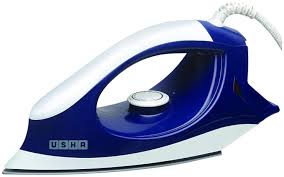
This project profile covers the manufacturing of electric irons, which are essential household appliances used for smoothing clothes and removing wrinkles. The unit produces standard electric irons by processing aluminium sole plates, PTFE coating, heating elements, thermostats, and moulded plastic components.
Project cost & finance
Cost of Project
figures in ₹ Lakhs
| Plant & Machinery | 22 |
| Furniture & Fixtures | 1.33 |
| Working Capital | 6.11 |
| Total | 29.44 |
|---|
Means of Finance
figures in ₹ Lakhs
| Own Contribution | 2.94 |
| Term Loan | 21 |
| Working Capital Loan | 5.5 |
| Total | 29.44 |
|---|
Raw materials & machinery
Machinery & equipment3
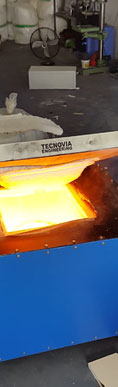
- FurnaceBuy on Amazon ↗
Melting aluminium billets for casting
- PTFE Coating PlantBuy on Amazon ↗
Coating booth, spray gun, and heating oven for non-stick application
- Plastic Injection Moulding MachineBuy on Amazon ↗
Moulding handles and body covers
Raw materials7
- Aluminium BilletBuy on Amazon ↗
Used for casting sole plates
- PTFE PowderBuy on Amazon ↗
Used for non-stick coating on sole plates
- Heating ElementBuy on Amazon ↗
Nichrome-based heating element
- Plastic ResinBuy on Amazon ↗
Thermoplastic pellets for handles and casing
- ThermostatBuy on Amazon ↗
Temperature control component
- Electric CordBuy on Amazon ↗
Power supply cable
- Packing MaterialBuy on Amazon ↗
Cartons and wrapping for final assembly
Manufacturing process
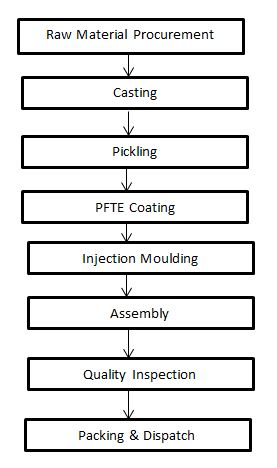
- Melt aluminium billets in a furnace and pour into moulds to form the electric iron sole plates.
- Pickle the base plates in an acidic solution, then preheat and apply PTFE powder coating using an electrostatic spray system.
- Mould plastic handles and covers using a plastic injection moulding machine.
- Assemble the heating element, thermostat, and electric cord onto the base plate, and attach the plastic casing and handle.
- Perform quality and performance testing on the assembled electric irons, followed by packaging and dispatch.
Market
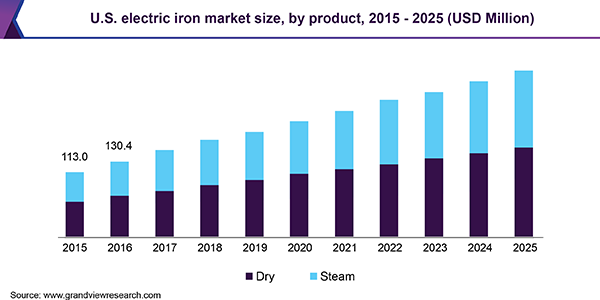
The global electric iron market has a steady growth rate driven by increasing demand for well-ironed apparel in corporate and educational sectors as a sign of hygiene and discipline.
From the project report