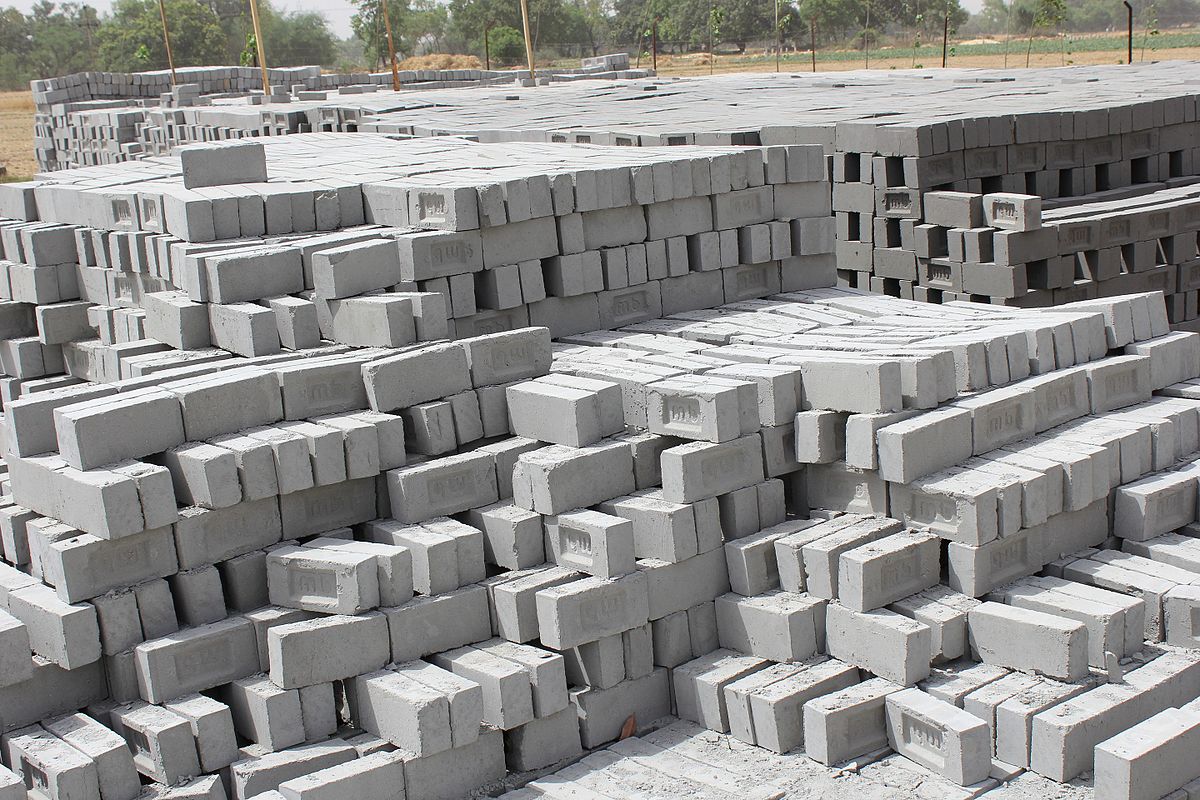
Fly Ash Bricks Manufacturing Unit
The project involves the manufacturing of fly ash-lime-based bricks as a sustainable alternative to conventional burnt clay bricks. These bricks are produced through an automated process of batching, mixing, and high-pressure hydraulic vibration molding to ensure uniform size, high strength, and lower water absorption.
Project cost & finance
Cost of Project
figures in ₹ Lakhs
| Building & Civil Work | 8 |
| Plant & Machinery | 15.8 |
| Furniture & Fixtures | 0.5 |
| Other Misc. Assets | 5 |
| Working Capital | 7 |
| Total | 36.3 |
|---|
Means of Finance
figures in ₹ Lakhs
| Own Contribution | 9.8 |
| Term Loan | 21.5 |
| Working Capital Loan | 5 |
| Total | 36.3 |
|---|
Raw materials & machinery
Machinery & equipment4
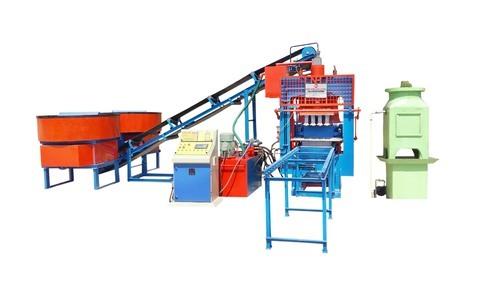
- Automatic Brick Making MachineBuy on Amazon ↗
- Pan MixerBuy on Amazon ↗
- Conveyer BeltBuy on Amazon ↗
- Batching PlantBuy on Amazon ↗
Raw materials4
- Fly AshBuy on Amazon ↗
- LimeBuy on Amazon ↗
- GypsumBuy on Amazon ↗
- Stone DustBuy on Amazon ↗
Manufacturing process
- Load raw materials (Fly Ash, Lime, Gypsum, Stone Dust) into the automatic batching plant.
- Homogenously blend the materials with water in a twin-shaft mixer.
- Transport the mixture to the brick-making machine via conveyor belt.
- Perform automatic molding using PLC-controlled hydraulic pressure and vibration for compaction.
- Automatically stack the fresh bricks on pallets and move to the drying bay for initial setting.
- Cure the bricks for 7 days with water for proper strength, or use steam/mist curing.
- Dispatch the finished bricks to the market.
Market
Fly ash bricks are widely used in the construction industry as a superior, cost-effective, and eco-friendly substitute for burnt clay bricks, offering better dimensional accuracy, resistance to salinity, and lower water absorption.
From the project report