Incense Sticks (Agarbatti) Manufacturing Unit
This project profile outlines the establishment of an incense sticks (agarbatti) manufacturing unit. The unit produces scented masala batties using automatic machinery and traditional hand-rolling techniques, catering to religious and domestic markets.
Project cost & finance
Cost of Project
figures in ₹ Lakhs
| Plant & Machinery | 5.7 |
| Furniture & Fixtures | 0.25 |
| Working Capital | 1.62 |
| Total | 7.57 |
|---|
Means of Finance
figures in ₹ Lakhs
| Own Contribution | 0.76 |
| Term Loan | 5.36 |
| Working Capital Loan | 1.45 |
| Total | 7.57 |
|---|
Raw materials & machinery
Machinery & equipment3
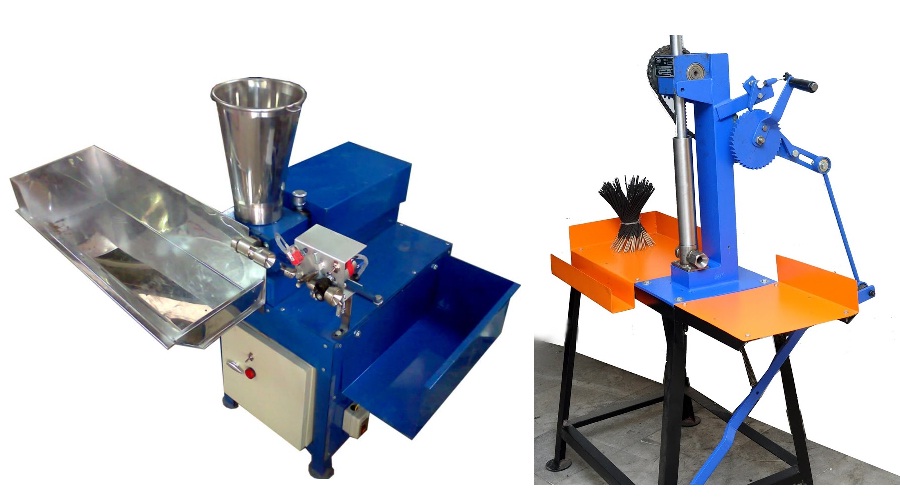
- High speed automatic agarbatti making machineBuy on Amazon ↗
01 unit
- Automatic Dhoopbatti making machineBuy on Amazon ↗
02 units
- Powder Mixing MachineBuy on Amazon ↗
01 unit
Raw materials5
- White chipsBuy on Amazon ↗
Base powder component for masala batties
- GigatuBuy on Amazon ↗
Binding powder component
- Charcoal PowderBuy on Amazon ↗
Combustible base material
- Wood sticksBuy on Amazon ↗
Bamboo sticks for agarbatti
- Aromatic chemicalsBuy on Amazon ↗
Fragrance oils and compounds
Manufacturing process
- Mix all ingredients in powder form in proper proportions with water to form a semi-solid paste.
- Apply the paste to bamboo sticks and roll uniformly on wooden planks or via automatic machines.
- Dry the raw sticks thoroughly under the sun or in drying setups.
- Dilute concentrated perfumes with white oil or diethyl phthalate and dip the dried sticks in dipping trays.
- Pack the finished perfumed agarbattis in butter paper or polypropylene bags and bundle into cartons.
Market
The agarbatti industry is a labor-intensive cottage industry with significant export potential. Units can be easily established in rural or urban areas due to simple technology. Production can be sold to local resellers or marketed under a proprietary brand.
From the project report