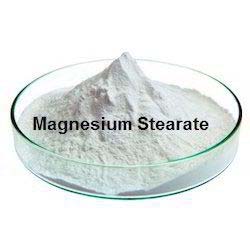
Magnesium Stearate Manufacturing Unit
This unit manufactures Magnesium Stearate, a white soapy powder used extensively as a pharmaceutical excipient, lubricant, binder, and emulsifier. The production process involves the reaction of sodium stearate with magnesium chloride solution, followed by filtration, drying, and pulverizing to achieve the final powder form.
Project cost & finance
Cost of Project
figures in ₹ Lakhs
| Building & Civil Work | 4.5 |
| Plant & Machinery | 8.85 |
| Furniture & Fixtures | 0.61 |
| Other Misc. Assets | 0.6 |
| Working Capital | 9.45 |
| Total | 24 |
|---|
Means of Finance
figures in ₹ Lakhs
| Own Contribution | 2.4 |
| Term Loan | 13.1 |
| Working Capital Loan | 8.51 |
| Total | 24 |
|---|
Raw materials & machinery
Machinery & equipment7
- S.S. Reaction vesselBuy on Amazon ↗
- S.S. TanksBuy on Amazon ↗
- Filter PressBuy on Amazon ↗
- BoilerBuy on Amazon ↗
- Portable stirrerBuy on Amazon ↗
- Centrifugal pumpBuy on Amazon ↗
- PulveriserBuy on Amazon ↗
Raw materials4
- Stearic AcidBuy on Amazon ↗
- Soda AshBuy on Amazon ↗
- Magnesium chlorideBuy on Amazon ↗
- DrierBuy on Amazon ↗
Manufacturing process
- Prepare solution of sodium stearate and magnesium chloride.
- Perform reaction in a vessel to form Magnesium Stearate precipitate.
- Filter the precipitate to separate it from the solution.
- Wash the filtered material thoroughly.
- Dry the material using a tray dryer.
- Pulverize the dried material into a fine powder.
- Pack the finished Magnesium Stearate for distribution.
Market
Primary demand comes from pharmaceutical, cosmetic, rubber, and paint industries for use as an excipient, lubricant, binder, or dusting agent. Demand is projected to grow significantly due to the expansion of these user industries.
From the project report