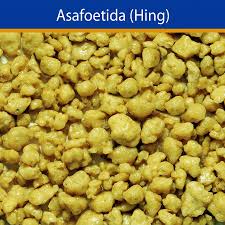
Asafoetida Powder (Hing)
This unit manufactures asafoetida powder (hing) by blending dried asafoetida resin with edible fillers like rice flour and turmeric. The product is packaged in sealed plastic containers and finds extensive use as a savory enhancer and spice in Indian cuisine.
Project cost & finance
Cost of Project
figures in ₹ Lakhs
| Building & Civil Work | 5 |
| Plant & Machinery | 6.5 |
| Furniture & Fixtures | 1.5 |
| Working Capital | 5.56 |
| Total | 18.56 |
|---|
Means of Finance
figures in ₹ Lakhs
| Own Contribution | 1.86 |
| Term Loan | 11.7 |
| Working Capital Loan | 5 |
| Total | 18.56 |
|---|
Raw materials & machinery
Machinery & equipment4
- Metal DetectorBuy on Amazon ↗
Equipment to detect metal chips in the finished powder
- Ribbon BlenderBuy on Amazon ↗
Mixing equipment with 50 kg capacity
- GrinderBuy on Amazon ↗
Stainless steel body grinding mill for pulverizing resins
- ConveyorBuy on Amazon ↗
Material handling conveyor belt
Raw materials4
- Dried Asafoetida ResinBuy on Amazon ↗
Basic raw material gum sourced from roots and stems of ferula species
- TurmericBuy on Amazon ↗
Used as filler and coloring agent
- Rice FlourBuy on Amazon ↗
Used as a neutral edible filler
- Packing MaterialBuy on Amazon ↗
Containers, bottles, and cartons for final packaging
Manufacturing process
- Procure dried asafoetida resins and fillers like rice flour and turmeric powder.
- Pulverize the asafoetida resins in a grinding mill.
- Blend the pulverized asafoetida with edible fillers in a ribbon blender.
- Feed the blended powder to a storage tank and manually fill bottles.
- Cap the bottles, weigh them to ensure required weight, and pass through a metal detector.
- Pack the bottles into cartons for final sale.
Market
Widely used in the food processing industry, Indian vegetarian cooking, and pickling. Growth is driven by population growth, rising disposable incomes, and increasing awareness of its benefits.
From the project report